
Twelve Food Facts Worth Knowing
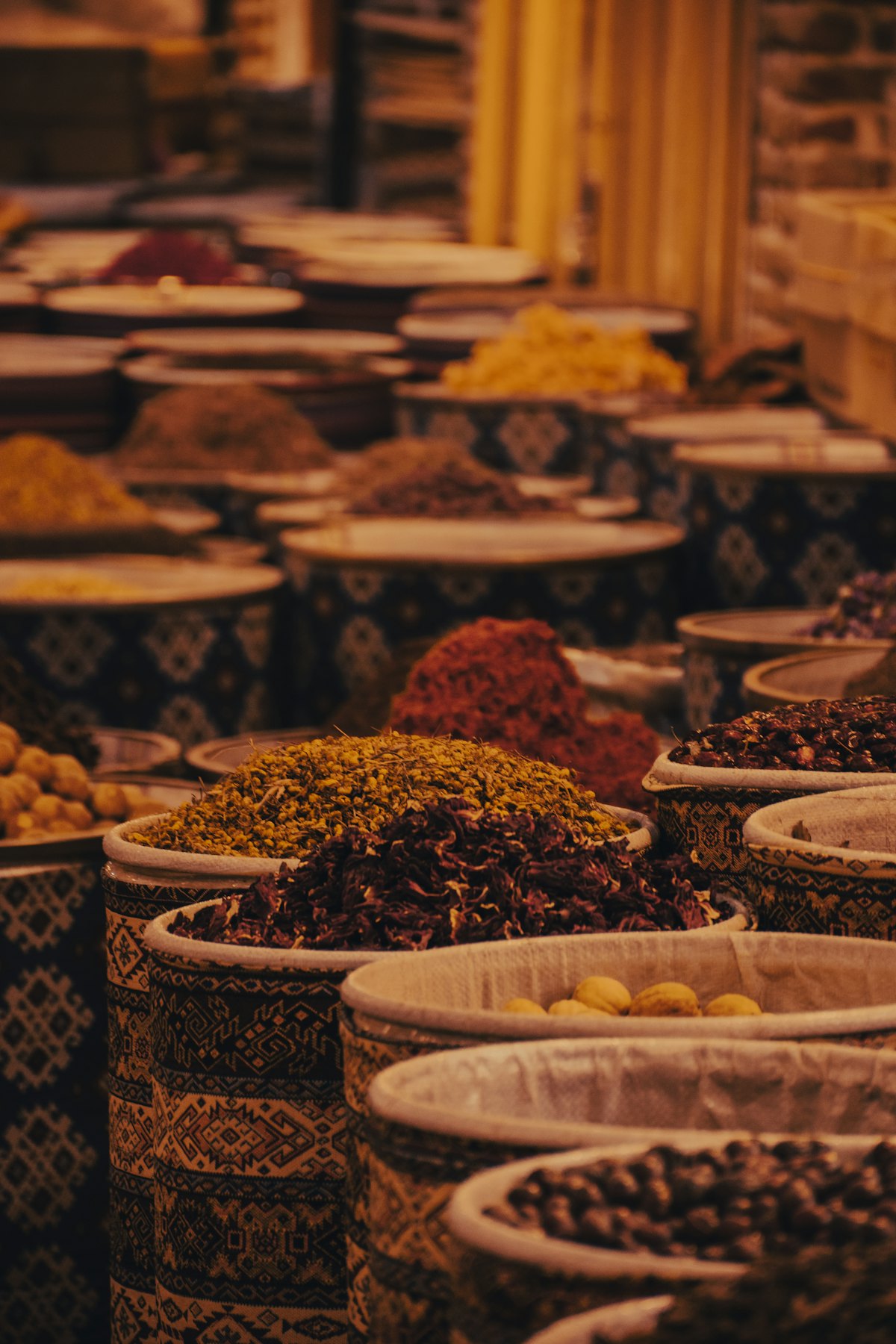
Carrots were purple, bananas are mildly radioactive, almonds are not nuts, and the most expensive spice in the world is picked by hand one thread at a time.
Food is the richest seam in quizzing, because everyone has an opinion and almost nobody has checked.
1. Carrots were not originally orange
Early cultivated carrots were purple, white or yellow. The orange carrot was developed in the Netherlands, and while the story that it was bred as a tribute to William of Orange is probably a later embellishment, the Dutch origin is not.
2. Bananas are slightly radioactive
Bananas are rich in potassium, and a small fraction of all natural potassium is the radioactive isotope potassium-40. The dose is trivial — physicists use the "banana equivalent dose" as a joke unit — but it is real, and a lorryload of bananas can trip a radiation sensor at a port.
3. Almonds, cashews and walnuts are not nuts
Botanically, a nut is a hard dry fruit that does not split open — a hazelnut or an acorn. Almonds and cashews are seeds of drupes, like plums. Peanuts are legumes, closer to peas. Walnuts and pecans are drupes too.
4. A tomato is a fruit, and legally a vegetable
Botanically a berry. In 1893 the US Supreme Court ruled in Nix v. Hedden that for the purposes of import tariffs the tomato counted as a vegetable, because that is how people eat it. Both answers are correct, depending on who is asking.
5. Honey never spoils
Sealed honey keeps indefinitely — low water, high acidity and a trace of hydrogen peroxide leave nothing for microbes to live on. Pots found in Egyptian tombs were still honey. We have a whole piece on why.
6. Saffron is the most expensive spice by weight
Each thread is one of three stigmas inside a crocus flower, picked by hand on the morning it opens. It takes something like 150,000 flowers to produce a kilogram, which is why it is priced like a precious metal.
7. Pineapples take two years
A pineapple plant takes around two to three years to produce its first fruit, and the fruit is a cluster of dozens of individual flowers fused together. The pattern of diamonds on the skin is the map of them.
8. Chocolate was a drink for most of its history
Cacao was drunk, usually bitter and spiced, for some 3,000 years before anyone made a bar. Solid eating chocolate dates from the 1840s, once a press existed that could separate cocoa butter from the solids.
9. Worcestershire sauce contains fermented anchovies
Which makes it one of the many things vegetarians discover late. The recipe descends from a Roman-style fermented fish sauce, and the anchovies are left to break down for months.
10. Nutmeg is dangerous in quantity
Nutmeg contains myristicin, and a couple of whole nutmegs is enough to cause genuine poisoning — nausea, racing heart, hallucinations lasting a day or more. In baking quantities it is entirely safe.
11. Vanilla is the second most expensive spice
Vanilla comes from an orchid whose flowers open for less than a day and, outside Mexico, have no natural pollinator. Every pod in commercial production is pollinated by hand, a technique worked out in 1841 by a twelve-year-old enslaved boy on Réunion, Edmond Albius.
12. Peppers are hot by accident of chemistry
Capsaicin binds to the receptor that detects actual heat, so the brain is told the mouth is burning. Birds lack that sensitivity, which is the point: the plant wants birds to spread its seeds and mammals to leave it alone. Milk helps because capsaicin dissolves in fat, and water does not.
More in this line: nine foods that are not from where you think.