
Nine Foods That Are Not From Where You Think
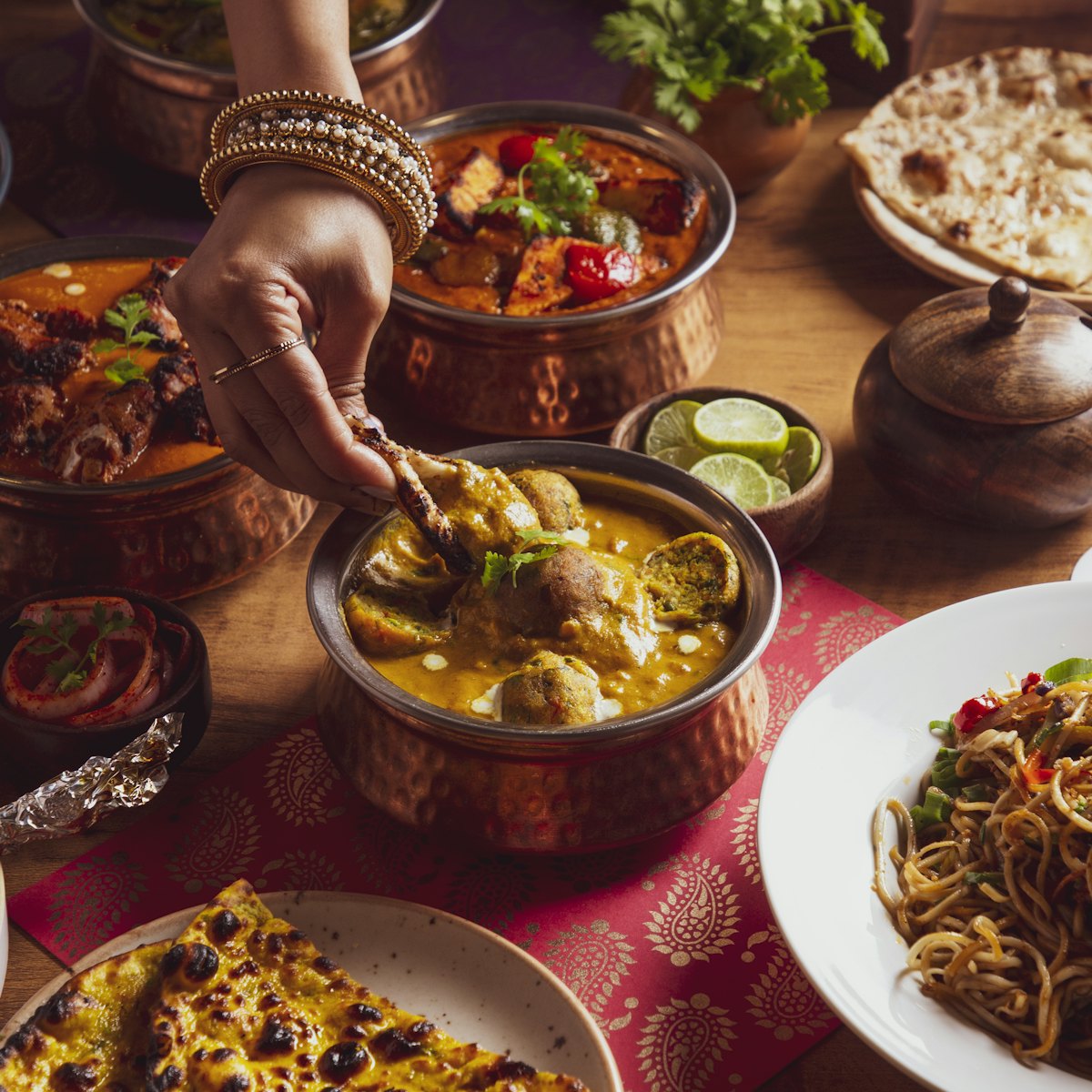
Chicken tikka masala, fortune cookies, French fries, Swiss fondue and more — dishes whose nationality is a marketing decision, an accident, or simply wrong.
National dishes are often younger and more foreign than they look. These are the ones quizzes love.
1. Chicken tikka masala — Britain
Almost certainly invented in a British Indian restaurant, with Glasgow the most commonly claimed birthplace. The usual story has a chef adding a tin of tomato soup and cream to dry tikka for a customer who wanted gravy. Robin Cook called it "a true British national dish" in 2001. It is not served in India except to tourists.
2. Fortune cookies — Japan, then California
Not Chinese. Similar crackers containing paper fortunes were made in Kyoto in the 1800s. Japanese immigrants brought them to California, where they were served in Japanese-run tea gardens. During the Second World War, with Japanese Americans interned, Chinese American restaurants took over production, and the cookie became permanently associated with Chinese food.
3. French fries — probably Belgium
Belgium claims them, with a tradition of frying small fish in the Meuse valley and switching to potato strips when the river froze. The "French" is thought to come from American soldiers in the First World War who encountered them in French-speaking Belgium. The Belgians are still annoyed about it.
4. Croissants — Austria
The crescent-shaped kipferl is Viennese and far older than the French pastry. August Zang opened a Viennese bakery in Paris in 1839, French bakers imitated it, and over the following decades the laminated butter dough we now call a croissant developed in France. The shape is Austrian; the pastry is French.
5. Swiss fondue — a marketing campaign
Melted cheese dishes are genuinely old and Alpine. But fondue became the Swiss national dish because the Swiss Cheese Union promoted it heavily from the 1930s to sell surplus cheese, pushing it as patriotic, including into army rations. The same organisation popularised the idea that every meal should end with cheese.
6. Vindaloo — Portugal
From the Portuguese carne de vinha d’alhos, meat in wine and garlic, brought to Goa by Portuguese colonists. Local cooks substituted palm vinegar for wine and added chillies — which the Portuguese had themselves brought from the Americas.
7. Tempura — Portugal again
Portuguese missionaries in 16th-century Japan ate battered fried fish during Ember Days, periods of fasting from meat. The Latin quattuor tempora, four times, is the likely source of the name. Japanese cooks refined the technique into something far lighter than the original.
8. German chocolate cake — not German
Named after Samuel German, an Englishman who developed a type of dark baking chocolate for an American company in 1852. The recipe first appeared in a Dallas newspaper in 1957 as "German’s Chocolate Cake". The apostrophe fell off and the nationality stuck.
9. Spaghetti bolognese — not really Bologna
Bologna has ragù alla bolognese, but it is traditionally served with tagliatelle, not spaghetti, and is meatier and far less tomato-heavy than the British version. The dish as most of the world knows it developed abroad. The mayor of Bologna has publicly complained about it more than once.
And one that is exactly what it says
Hawaiian pizza is Canadian. Invented in Ontario in 1962 by Sam Panopoulos, a Greek immigrant, and named after the brand of tinned pineapple he used.