
Honey Never Spoils: The 3,000-Year-Old Jars That Are Still Edible
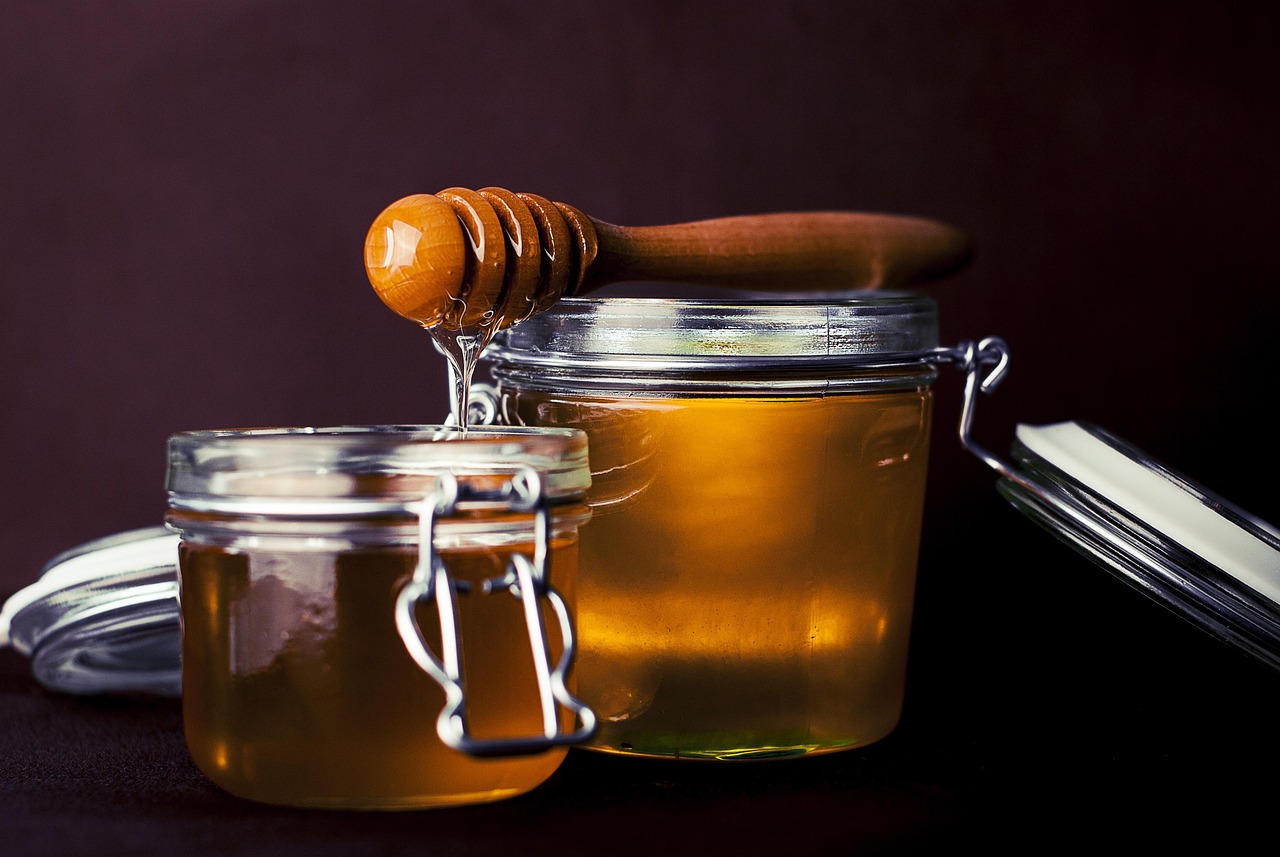
Archaeologists have opened sealed pots of honey from Egyptian tombs and found the contents perfectly good. The reason is a neat piece of chemistry that has nothing to do with preservatives.
Honey is the only common food that does not go off. Sealed properly and kept dry, it will outlast the jar, the shelf and quite possibly the building. Pots recovered from Egyptian tombs, thousands of years old, have been found with their contents still recognisably honey.
Why bacteria cannot get a foothold
Three things work together. First, honey is extremely low in water. Bees fan nectar until most of the moisture has evaporated, leaving a syrup that is roughly 80 per cent sugar. Any bacterium that lands in it is dehydrated by osmosis before it can multiply.
Second, honey is acidic, with a pH around 3.9, which is hostile to most spoilage organisms. Third, bees add an enzyme called glucose oxidase, which produces small amounts of hydrogen peroxide as the honey matures. Between the dryness, the acid and the peroxide, there is simply nowhere for anything to grow.
The catch
All of that depends on the honey staying sealed. Honey is hygroscopic, meaning it pulls water out of the air, and honey that has absorbed enough moisture can ferment. This is not a modern inconvenience but an ancient discovery: mead, one of the oldest alcoholic drinks known, is fermented honey.
There is one genuine safety note. Raw honey can carry spores of Clostridium botulinum, which an adult gut handles without trouble but an infant's cannot. Honey is not recommended for children under one year old.
What happens when it crystallises
Honey turning cloudy and grainy in the cupboard has not gone bad. The glucose is simply coming out of solution. Stand the jar in warm water and it returns to liquid, unharmed.