
Memory Tricks That Actually Work for Trivia
The memory palace, chunking, spacing and why you forget names. Techniques with real evidence behind them, and how to use them on things quizzes ask about.
Competitive memory athletes are not born with unusual brains. Studies scanning them have found ordinary memory hardware running better techniques. Here are the ones worth the effort.
1. The memory palace
The oldest technique there is, attributed to the Greek poet Simonides. Picture a place you know intimately — your home, your walk to work — and place each thing you want to remember at a specific spot along a fixed route.
To remember the planets in order, put the Sun on your doorstep, Mercury on the hall table, Venus on the stairs, and so on. To recall them, walk the route.
It works because spatial memory is extraordinarily strong and almost effortless, while abstract lists are neither. You are smuggling the list into a system built for places.
Make the images absurd. A vivid, strange, moving image sticks far better than a sensible one. Saturn as a giant onion ring wedged in your bathroom door will outlast any amount of staring at a list.
2. Chunking
Working memory holds roughly four to seven items. But an item can be any size. "BBCITVCNNFBI" is twelve letters and nearly impossible; "BBC ITV CNN FBI" is four chunks and trivial.
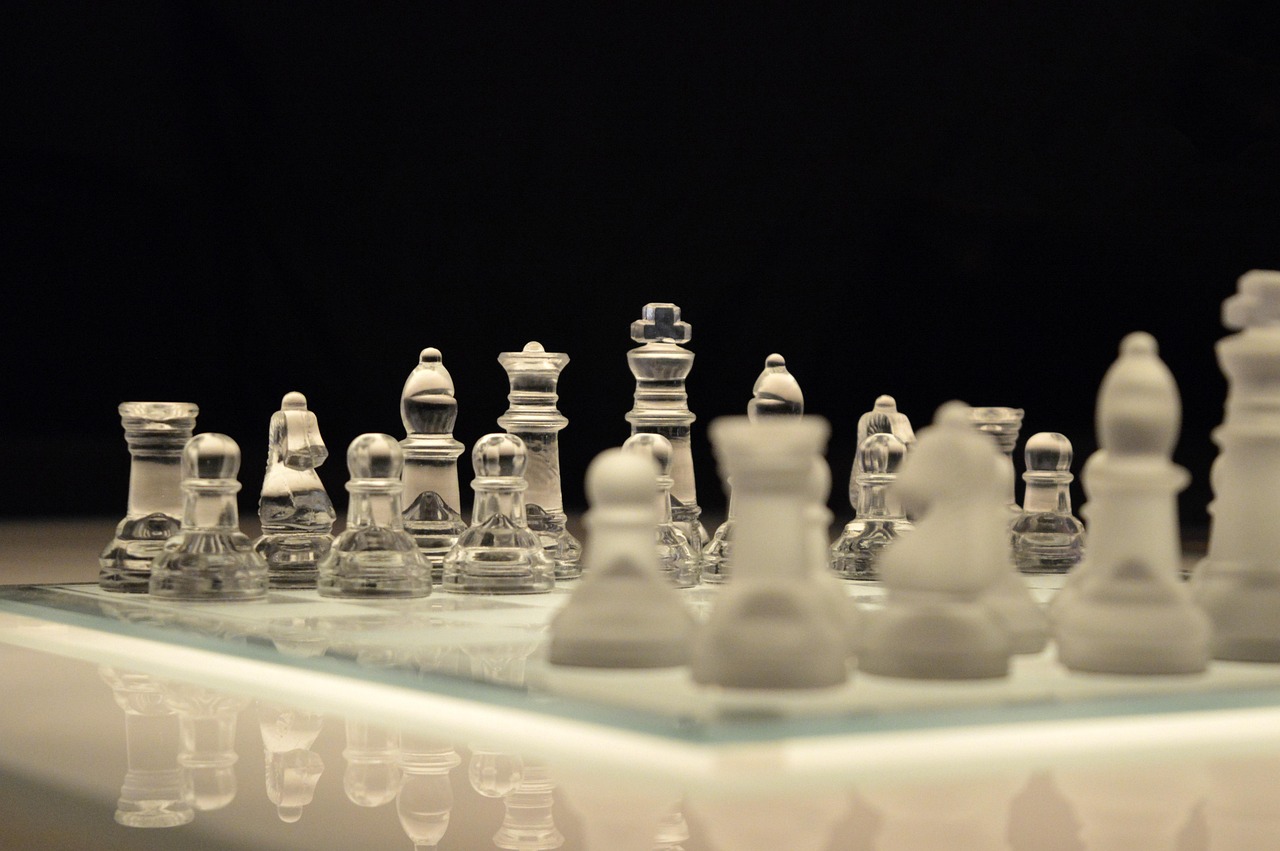
This is why phone numbers are grouped, and why chess masters can reproduce a board after a glance — they are not seeing twenty pieces but five familiar formations. The same works for dates, lists and sequences: find the groups.
3. Spacing, not cramming
The most robustly supported finding in the whole field. Reviewing material at increasing intervals — a day, three days, a week, a month — produces far more durable memory than the same total time spent in one session.
Cramming works for tomorrow and is nearly useless for next month. If you want a question bank in your head for a quiz league that runs all season, ten minutes a week beats two hours the night before.
4. Testing yourself, not rereading
Rereading notes feels productive and mostly is not. The act of retrieving something strengthens the memory far more than seeing it again. Cover the answers and try to produce them. Getting it wrong and then seeing the answer is better for retention than never having struggled.
Why you forget names
Names are uniquely hard, and it is not your fault. A name is arbitrary — nothing about a person's face tells you they are called Graham, whereas "baker" would at least connect to something. Arbitrary labels have nothing to hook onto.
What helps:
- Say it back immediately. "Nice to meet you, Graham."
- Attach it to an image. Graham → a cracker, placed on his forehead. Ridiculous, and it works.
- Use it once more within a minute, then again before you leave.
Applying it to quiz material
- Ordered lists — planets, monarchs, elements, Oscar winners — go in a memory palace.
- Pairs — capitals and countries, gods and their Roman names — go in a linked image. Picture a bear drinking beer in Bern.
- Numbers — convert to something concrete. 1066 is easier as an image of an arrow than as four digits.
- Anything you keep getting wrong — this is the material worth spacing. The questions you already know need no revision at all.
What does not work
Listening to recordings while asleep does nothing. "Brain training" games mostly make you better at those games. And there is no evidence for learning styles — being a "visual learner" is not a real category, though visual imagery helps everybody.