
Where the Pub Quiz Came From: A 1970s Idea to Fill Empty Mondays
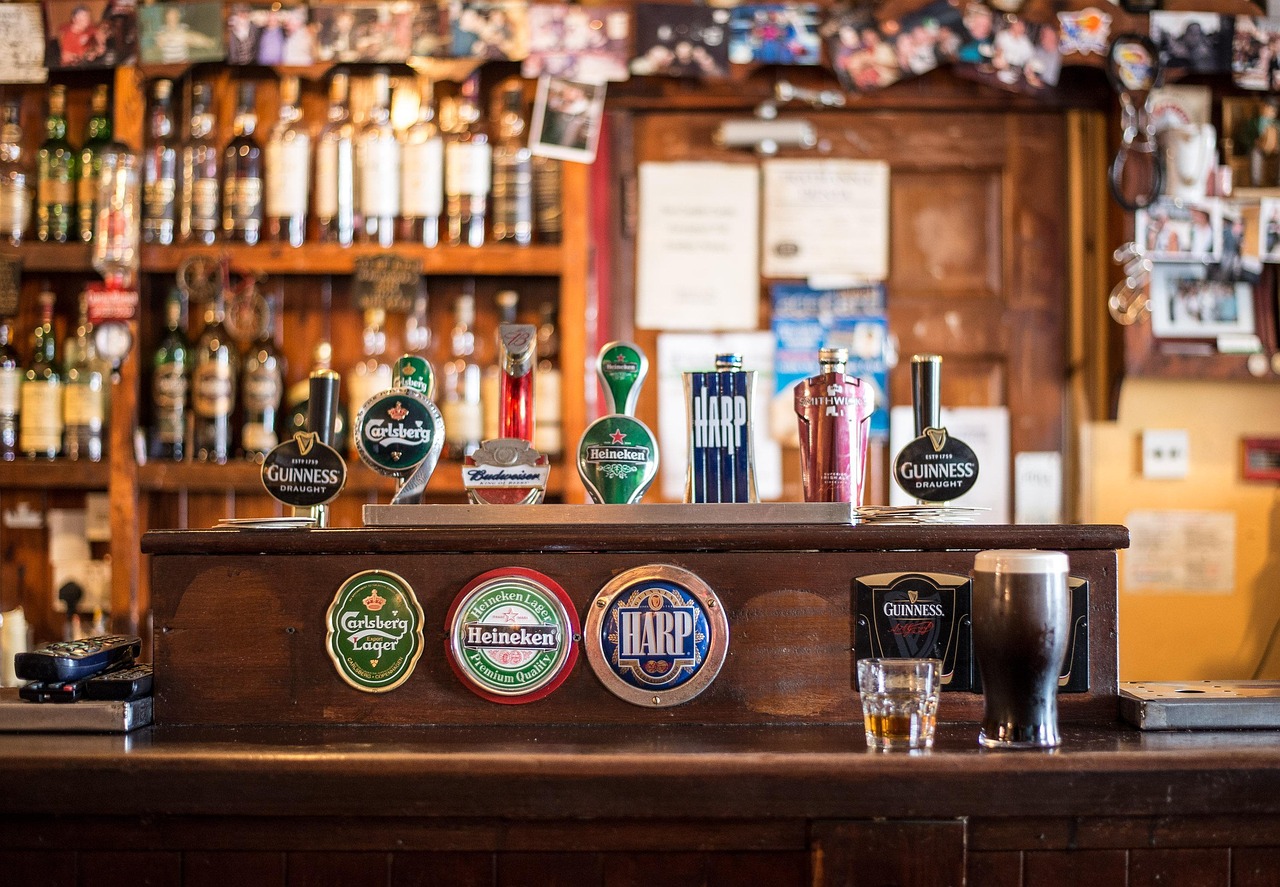
The British pub quiz is barely fifty years old. It was invented to get people into pubs on the quiet nights, and it worked so well that it became a national institution.
The pub quiz feels like something that has always existed, in the way that darts and dominoes do. It has not. It is a product of the 1970s, and it was invented as a commercial fix for a specific problem: pubs were empty from Monday to Wednesday.
The men who made it a business
In 1976 Sharon Burns and Tom Porter set up a company called Burns and Porter to run quiz leagues in pubs. The idea was straightforward. Supply a landlord with questions, a format and a league table, and the regulars would come in on a dead night to defend their position. Within a few years they were running leagues in thousands of pubs.
It spread because the economics were irresistible. A quiz costs a pub almost nothing, needs no equipment beyond a microphone, and fills the slowest trading hours of the week with people buying drinks between rounds.
Why the format stuck
Several rounds of mixed questions, teams of four to six, answers written on paper and swapped with another table for marking, a halfway break, and a prize that is usually a bar tab. Almost every element exists for a practical reason. Teams mean nobody sits in silence. Swapping papers means the quizmaster is not marking for twenty minutes. The interval exists to sell another round.
The handwritten answer sheet is the part that has finally started to go. Phones made cheating trivially easy, which pushed quizzes towards either strict no-phone rules or, increasingly, running the whole thing through the phones instead, with answers locked in and timed.
Still growing
Britain is estimated to host over 20,000 pub quizzes a week, and the format has been exported wherever there are pubs. The online version, which lockdowns turned from a novelty into a habit, is the first genuine change to the model since Burns and Porter printed their first question sheet.
If you fancy running one yourself, the guide to hosting is here.